
Exploring the cultural significance of casinos in modern society
- daniellspro
- 0 Comments
Exploring the cultural significance of casinos in modern society
The Historical Context of Casinos
Casinos have a rich history that dates back centuries, evolving from simple gambling houses to elaborate entertainment complexes. The origins can be traced to ancient civilizations, where games of chance were often played in social settings, serving as a means of entertainment and camaraderie. The establishment of formal gambling houses began in the 17th century, particularly in Italy, where the term ‘casino’ was first introduced to describe a villa or summerhouse for relaxation and amusement. As players search for exciting options, they often consider the best casinos online australia for a thrilling experience.

As societies progressed, casinos adapted to reflect cultural values and social norms. The 19th century saw the rise of casinos in Europe, particularly in cities like Monte Carlo and Baden-Baden, which became synonymous with luxury and high society. This period marked a shift where casinos transformed from informal venues into sophisticated establishments, catering to the elite and attracting tourists, thus establishing their role as a significant part of the hospitality industry.
The proliferation of casinos in the United States during the 20th century further solidified their cultural significance. Las Vegas emerged as a focal point for gambling and entertainment, symbolizing the American dream of wealth and excitement. Today, casinos continue to be pivotal in shaping social interactions, serving as venues for leisure, celebration, and even community events, thus illustrating their ongoing evolution and importance in modern society.
Casinos as Social Hubs
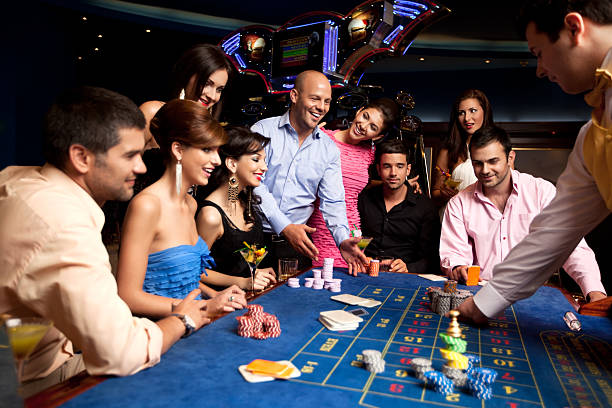
In contemporary society, casinos have transcended their role as mere gambling establishments to become vibrant social hubs. These venues attract diverse groups of people, fostering a sense of community and interaction. The atmosphere in casinos is electric, characterized by a blend of excitement and anticipation, where patrons engage not only in games but also in socializing with friends and strangers alike. This dynamic can lead to the formation of new relationships and a sense of belonging among visitors.
Moreover, casinos often host various events and activities beyond traditional gambling. From live music performances and theatrical shows to culinary experiences and themed parties, they offer something for everyone. This diversification enriches the cultural fabric of the communities in which they operate, contributing to local economies while providing entertainment options that bring people together.
Furthermore, casinos have embraced technology to enhance social interactions, integrating social media and online platforms into their offerings. Players can share their experiences, participate in promotions, and connect with others virtually, expanding the social reach of casinos beyond their physical locations. This blend of traditional gaming and modern technology illustrates how casinos continue to adapt and thrive as central elements of social life.
The Economic Impact of Casinos
The economic significance of casinos extends far beyond the gaming industry, creating jobs and driving local economies. In regions where casinos are established, they often become primary sources of employment, providing a wide range of jobs from dealers and servers to management positions. The influx of tourists seeking entertainment further boosts local businesses, such as hotels, restaurants, and retail shops, creating a symbiotic relationship that benefits the entire community.
In addition to direct job creation, casinos contribute significantly to local and state economies through tax revenues. These funds often support essential public services, including education, healthcare, and infrastructure development. The financial impact of casinos can be profound, as many jurisdictions use gambling revenue to enhance public welfare, making them integral to the economic landscape.
However, the economic benefits of casinos are often accompanied by challenges, including concerns about gambling addiction and social issues. As communities grapple with these complexities, the role of casinos in economic development continues to be a topic of debate. Policymakers must balance the advantages and disadvantages while ensuring that the economic contributions of casinos are harnessed responsibly and ethically.
Cultural Representation and Media Influence
The portrayal of casinos in popular culture and media significantly shapes public perception and cultural significance. From classic films to modern television series, casinos are often depicted as glamorous, high-stakes environments that attract characters driven by ambition and desire. This representation influences how society views gambling, embedding casinos within the narrative of success and thrill.
Moreover, video games and online platforms have begun to mirror the casino experience, further integrating gambling culture into everyday life. The rise of online gambling has made casino games more accessible, appealing to a younger demographic and transforming how people engage with gaming. This shift highlights the adaptability of casino culture to technological advances while maintaining its allure and excitement.
However, the media’s portrayal of casinos can also perpetuate stereotypes and misconceptions about gambling, leading to societal stigma. As such, it is essential to foster a balanced understanding of casinos that acknowledges their cultural significance while addressing the potential pitfalls associated with gambling. This nuanced perspective is crucial in promoting responsible gaming and ensuring that the cultural impact of casinos remains positive and enriching.
Conclusion: The Future of Casinos in Society
The future of casinos in modern society appears promising, with ongoing innovations set to redefine the gaming experience. As casinos continue to evolve, they are increasingly integrating technology, enhancing both the gaming experience and social interactions. The rise of virtual reality and augmented reality gaming is poised to create immersive experiences that attract new audiences, making casinos relevant in an ever-changing landscape.
Additionally, as societal attitudes toward gambling shift, casinos are likely to become more community-oriented, focusing on social responsibility and inclusion. Initiatives aimed at promoting responsible gaming and supporting local communities will play a vital role in enhancing the cultural significance of casinos in the years to come. By aligning their offerings with the values of modern society, casinos can maintain their status as dynamic cultural institutions.
In conclusion, the cultural significance of casinos in modern society is multifaceted, encompassing historical, social, economic, and media influences. As they continue to adapt and grow, casinos are set to remain integral to our cultural landscape, reflecting the changing desires and values of society while providing entertainment, community, and economic benefits.